A logo on its own does not make a brand. What makes a Dubai business look like one company across a shop sign, an Instagram grid, a WhatsApp catalogue, a trade-show stand and a VAT invoice is a set of decisions written down once and followed by everyone who touches the brand. That written set of decisions is the brand guidelines document, often called a brand book. This guide explains what a useful brand book contains for a business in the UAE, which parts most companies forget, how to make it work in both Arabic and English, and how to keep it alive after the designer hands it over.
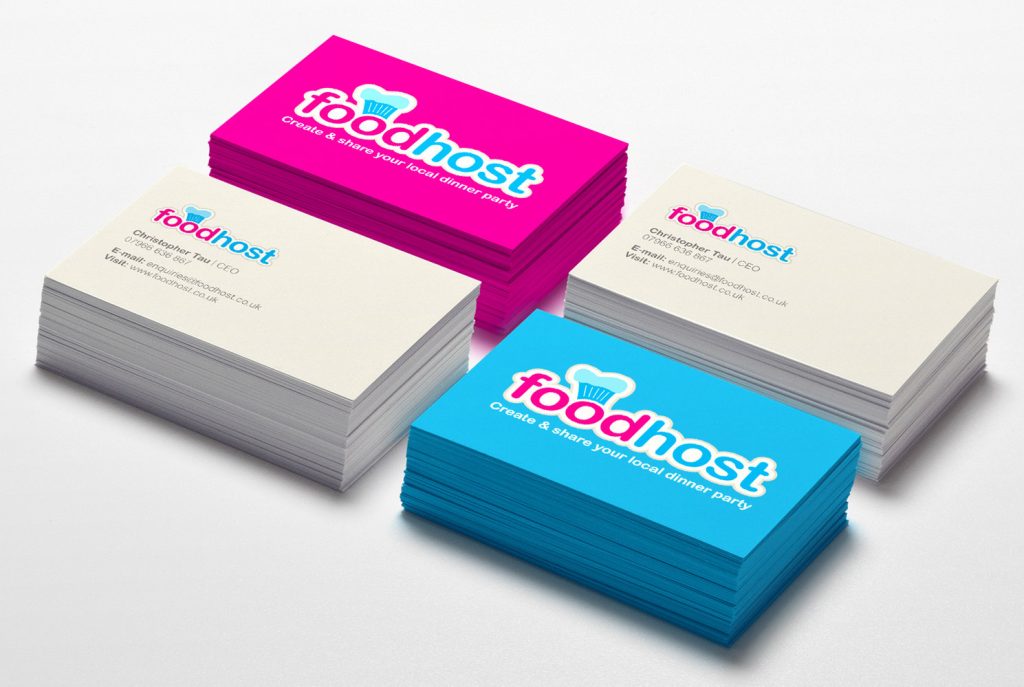
Why brand guidelines matter more in Dubai than almost anywhere
Dubai businesses work with more suppliers and more languages than most. A typical small company here might use one freelancer for social media, a print shop in Al Quoz for business cards, a signage contractor for the shop front, a developer for the website, an exhibition stand builder twice a year and an in-house team that makes quick posters in Canva. Each of them will make small choices on their own: a slightly different blue, a stretched logo, a different Arabic font, the English name set in capitals one week and lower case the next.
None of these choices is dramatic on its own. Together they make the business look less established than it really is. Customers in the UAE compare suppliers quickly and often on a phone screen, so a brand that looks inconsistent can lose trust before anyone reads a word. A brand book stops this drift because it gives every supplier the same answers before they start.
There is a second reason. Many UAE companies need their brand to work in Arabic and English at the same time, on the same sign, invoice or packaging. Without written rules, the Arabic side is usually the one that suffers. A good brand book treats both languages as equal parts of one identity.
What a useful brand book contains
A brand book does not need to be a hundred pages. It needs to answer the questions suppliers actually ask. These are the sections we recommend for most Dubai businesses.
1. The brand in one page
Start with a short summary that anyone can read in two minutes: what the business does, who it serves, how it wants to be described, and a few words for its personality, for example calm, precise and warm, or bold, fast and practical. This page helps writers, photographers and designers make choices that the rest of the book does not cover.
2. The logo and its versions
This is the section people open most. It should show:
- The primary logo
in full colour, and the approved one-colour versions in black and white.
- The Arabic and English lockups
, side by side and stacked, with the approved spacing between the two scripts.
- The symbol or icon on its own
, for app icons, social profile pictures and favicons.
- Clear space
, shown as a measured margin around the logo that nothing else may enter.
- Minimum sizes
for print in millimetres and for screens in pixels, so the logo is never printed so small that the Arabic letters fill in.
- What not to do
stretched, rotated, recoloured, outlined, placed on busy photos, or with the two scripts swapped or resized against each other.
Show each rule with a picture. A supplier who only skims will still understand a red cross over a stretched logo.
3. Colour
List every brand colour with values for each use: HEX and RGB for screens, CMYK for print and, where your printer needs it, Pantone references. Explain the balance between colours, for example a dark main colour for most surfaces, one accent used sparingly, and a set of neutrals for backgrounds and text. Include contrast pairings that stay readable, because a light accent on white may look stylish in a presentation but fail on a sign in the afternoon sun.
4. Typography in both scripts
Name the Latin and Arabic typefaces, the weights you use, and where each one goes: headlines, body text, captions, numbers. Pair the two scripts so they feel like one family, with similar weight and similar visual size at the same point size. State whether you use Western digits or Arabic-Indic digits in each context, and keep it consistent on menus, price tags and invoices. Give a fallback font for situations where your licensed fonts are not available, such as email signatures and office documents.
5. Imagery and graphic elements
Describe the kind of photography that fits the brand: real people or products, natural light or studio, warm or cool. Show icons, patterns, shapes and lines that belong to the identity and how to use them. A small set of approved patterns is often what makes a brand recognisable even when the logo is not on the screen.
6. Applications
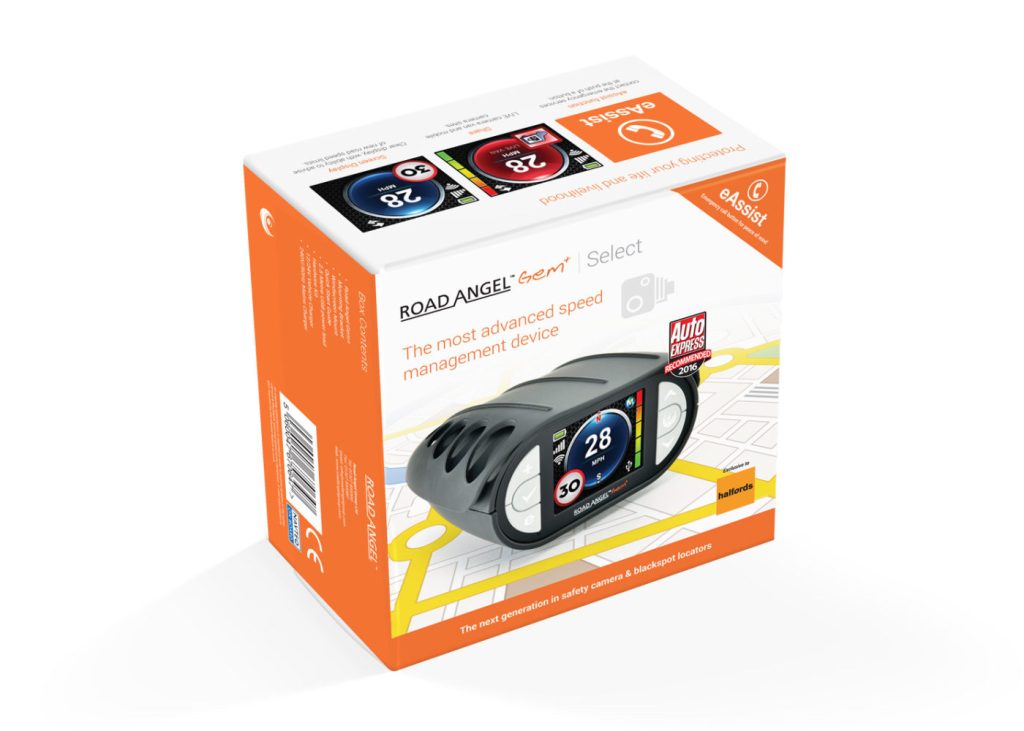
This is the section most brand books skip, and it is the one suppliers need most. Show the brand applied to the real items your business uses: business cards, letterhead, invoices and quotations, email signatures, social media templates, presentation slides, the shop sign or office signage, vehicle graphics, uniforms, packaging and labels, and exhibition stands. Each example answers dozens of questions at once.
7. Voice and wording
Write a few rules for how the brand speaks in English and in Arabic. Include the correct way to write the company name in both scripts, approved short descriptions of the business, and words to avoid. If the Arabic copy is translated, name who approves it. Many bilingual brands look consistent but sound like two different companies because the English is written by one person and the Arabic by another with no shared brief.
8. File list and contacts
End with a list of the files that exist, where they are stored, and who to ask for anything new. This saves weeks over the life of a brand.
Making the brand book work in Arabic and English
Bilingual branding is where a Dubai brand book earns its value. A few rules help:
- Design the two scripts as a pair from the start.
Arabic is cursive, joined and written right to left, so it needs its own decisions about height, weight and spacing. A brand book should show the approved pairing rather than leaving each supplier to guess.
- Show mirrored layouts.
When a page, a post or a sign runs right to left, the hierarchy flips. Show at least one Arabic-first layout for each key template so designers know how the grid changes.
- Agree on numerals and punctuation.
Phone numbers, prices and dates appear on almost everything. Decide once and write it down.
- Test on real pieces.
Print the business card, put the sign mock-up on a photo of the actual shop front, and view social templates on a phone. Problems with small Arabic text appear on real pieces long before they appear on a laptop screen.
If your website is also bilingual, the same rules should apply online. Our guide to bilingual Arabic and English websites in the UAE covers how layout, fonts and navigation change when a site runs in both languages.
Common mistakes we see in UAE brand books
A beautiful PDF that nobody can find. The brand book sits in one person's email. Store it with the logo files in a shared folder and send the link to every new supplier.
Only the logo is documented. The guidelines cover the logo perfectly but say nothing about invoices, social posts or signage, so those are improvised.
No Arabic rules. The book is written for English only, and the Arabic is left to the printer.
Fonts without licences. The brand uses a typeface that the company has not licensed for web or app use. Check font licences when the identity is designed, not when the website is being launched.
Rules nobody can follow. A colour that only works on coated paper, or a logo lockup that does not fit a social profile circle, will be ignored. Good rules are practical.
Never updated. The business adds a new service, opens a branch or launches an app, and the brand book stays frozen. Review it once a year.
How long a brand identity and brand book take
As a planning guide, a logo refresh usually takes 6 to 10 weeks and a full rebrand 10 to 16 weeks, including testing on real pieces and writing the guidelines. A brand book for a new identity is part of that timeline, not an extra afterwards. Packaging artwork for a large product range or a long list of applications can add time, which should be agreed in the quote before work starts.
If the project includes a new name or a new mark, think about trademark protection as soon as the name is chosen. In the UAE, government trademark fees are AED 6,500 per class. A trademark agent or lawyer handles the filing; the design team provides the final artwork. For a wider look at when a refresh is worth it and what changes, read our article on rebranding a UAE business.

What you should receive at the end
Whoever designs your identity, make sure you own it. At the end of an Oxedge identity project, clients receive the master vector files, PNG and SVG exports, print-ready PDFs, the brand guidelines and a written transfer of rights. Payments run in milestones of 40%, 40% and 20%, and prices exclude 5% VAT. Every project is quoted after a 30-minute brief, and the quote lists every deliverable, the rounds of changes and the timeline before you sign.
A simple checklist for handover:
-
Master logo files in vector format for every version and lockup.
-
PNG and SVG exports in colour, black and white.
-
Print-ready PDFs for stationery and key applications.
-
The brand guidelines as a PDF, plus editable templates where agreed.
-
Font names and licence details.
-
A written transfer of rights for the final design.
Keeping the brand consistent after launch
A brand book is a tool, not a trophy. Give one person in the company the job of brand owner, even if it is only part of their role. Send the book and the file folder to every new supplier on day one. Ask suppliers to share a proof before printing anything large. Once a year, collect real examples of the brand in use, from the shop sign to last month's Instagram posts, and compare them with the book. Fix what has drifted, and update the book where the business has changed.
Small businesses often think brand guidelines are only for large companies. In practice, they matter most for small teams, because small teams rely on many outside suppliers and have no design department to catch mistakes.
Working with Oxedge
Oxedge is a Dubai agency that designs logos, brand identities, packaging and bilingual Arabic and English brand systems, with guidelines written so suppliers can actually use them. You can see the service, the process and examples on the Oxedge logo design and branding page, read it in Arabic at https://oxedge.com/ar/logo-design-branding-dubai/, or visit Oxedge for the agency's other services.
Oxedge · Office 208, Bu Shaqer Building, Al Garhoud, Dubai · +971 50 815 3521 · info@oxedge.com · Monday to Saturday, 9am to 5pm (Sunday closed)
Frequently asked questions
What is the difference between a logo and a brand identity?
A logo is the mark itself. A brand identity is the full system around it: colours, typography in Arabic and English, imagery, graphic elements, voice and the rules for using them on real items. The brand book is where that system is written down.
Does a small business in Dubai really need brand guidelines?
Yes, usually more than a large company does. Small businesses work with many freelancers and suppliers, and a short, practical brand book is the cheapest way to keep them all consistent.
How many pages should a brand book have?
As many as it takes to answer suppliers' real questions and no more. For many small and mid-sized UAE businesses, a focused document covering the logo, colour, typography, imagery, applications and voice is enough.
Should the Arabic and English logos be designed at the same time?
Yes. Designing both scripts together produces a pair that matches in weight, height and spacing. Adding the Arabic later usually leads to a weaker, mismatched version.
How long does a brand identity project take?
A logo refresh usually takes 6 to 10 weeks and a full rebrand 10 to 16 weeks, including testing on real pieces and the guidelines.
How much does a brand identity cost?
It depends on scope: a logo only, a full identity, or a rebrand with print and packaging. Oxedge quotes after a 30-minute brief, the quote lists every deliverable before you sign, and prices exclude 5% VAT.